
Core Keywords: kiwifruit packaging, kiwi cartons, kiwifruit export boxes, fruit export packaging, sustainable kiwi packaging
Introduction
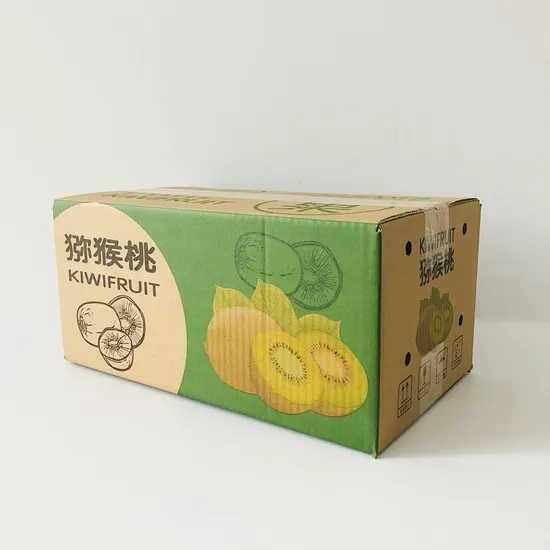
Kiwifruit has become a premium fruit category in global trade, with major exporters including New Zealand, Italy, Chile, Greece, and China. Known for its delicate skin and sensitivity to temperature changes, kiwifruit requires specialized kiwifruit packaging boxes to maintain firmness, prevent bruising, and extend shelf life during long-distance shipping.
Unlike tropical fruits harvested green, kiwifruit must be carefully graded, packed, and shipped under controlled cold-chain conditions. High-quality kiwi cartons are therefore essential for preserving export value and brand reputation.
The Importance of Packaging in Kiwifruit Export
Kiwifruit packaging plays a critical role in:
- Maintaining cold chain integrity during sea and air freight
- Reducing mechanical damage during handling and pallet stacking
- Supporting grading and sizing systems
- Ensuring compliance with international food safety standards
Poor packaging can lead to internal softening, skin abrasion, and moisture imbalance, all of which reduce market value.
Key Features of Kiwifruit Packaging Boxes
1. High-Strength Corrugated Structure
Export-grade kiwifruit cartons are designed with strong corrugated board to withstand vertical compression during container stacking.
2. Ventilation for Temperature Control
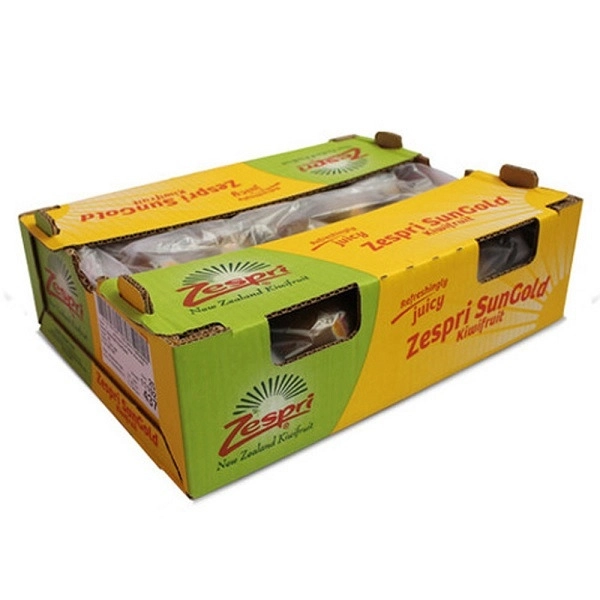
Strategically positioned ventilation holes allow uniform airflow inside refrigerated containers, maintaining optimal storage temperatures.
3. Internal Trays or Dividers
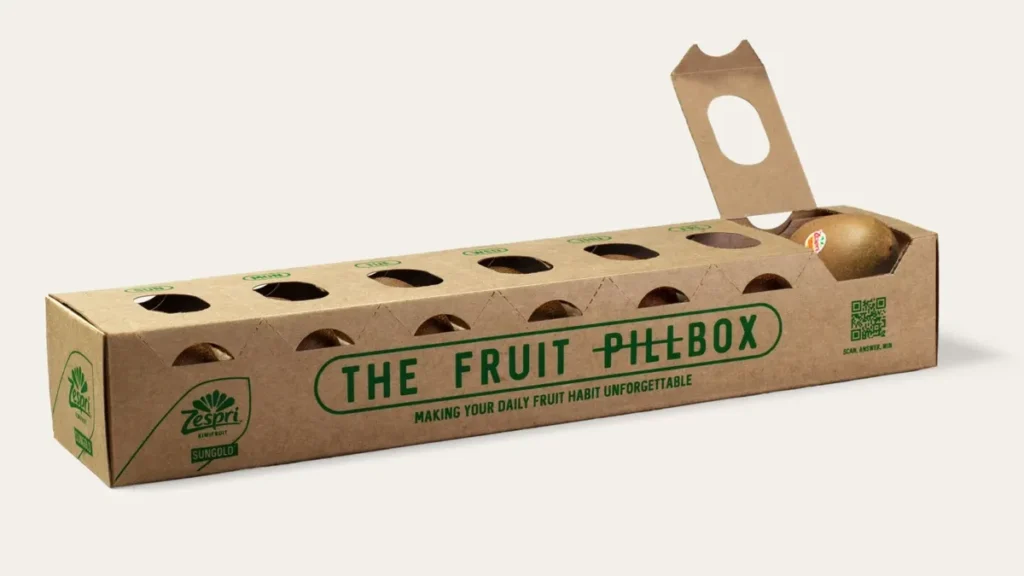
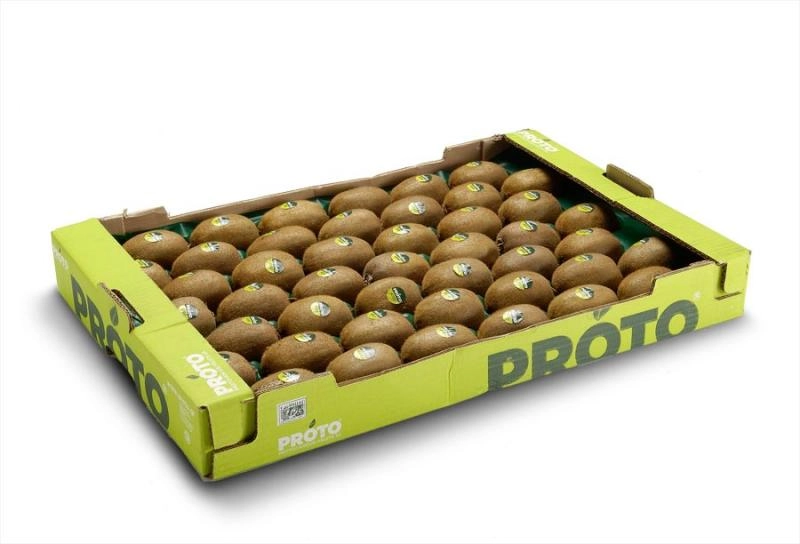
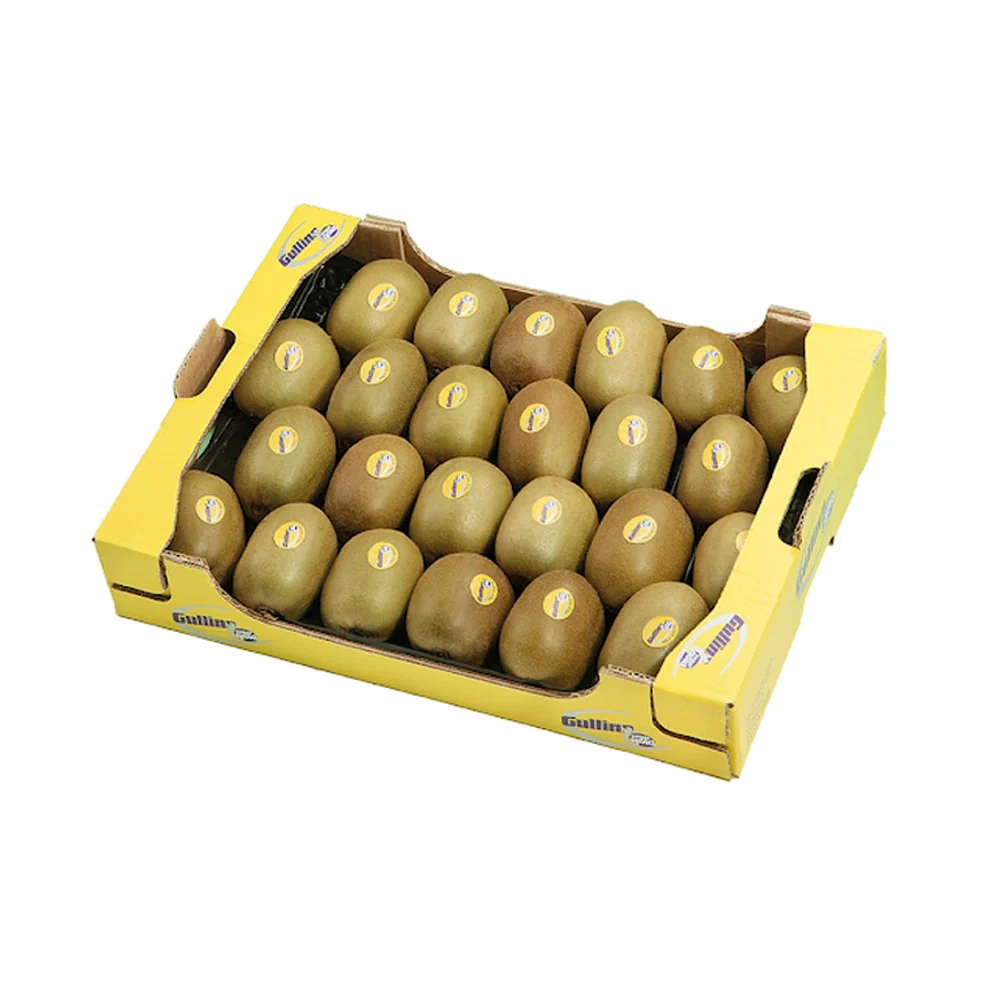
Premium kiwi packaging often includes pulp trays or separators to prevent fruit movement and bruising.
4. Moisture & Condensation Resistance
Cold-chain shipping may create condensation. Water-resistant coatings help maintain carton strength and product safety.
5. Retail-Ready Design
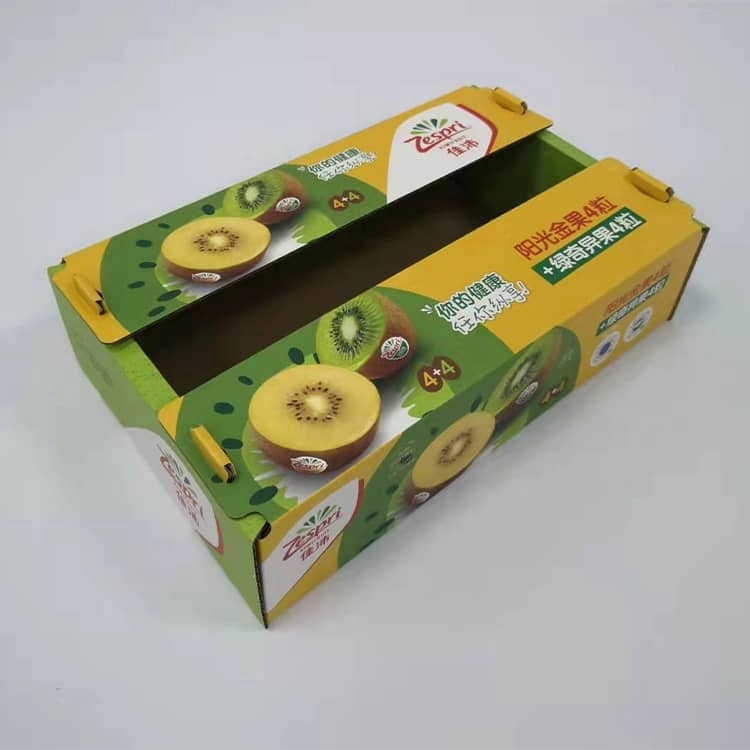
High-quality printing enhances brand visibility, especially for premium export brands targeting supermarkets in Europe and North America.

Regional Packaging Practices
- New Zealand: Premium branded kiwi export boxes with strict cold-chain compliance and sustainability focus.
- Italy & Greece: Strong corrugated cartons optimized for EU distribution networks.
- Chile: Reinforced export packaging for long-distance sea freight to Asia and North America.
Each exporting country tailors its kiwifruit packaging solutions to meet market-specific regulations and logistics demands.
Sustainability in Kiwi Packaging
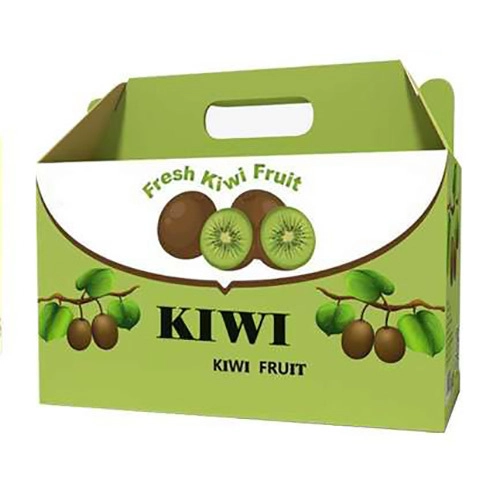
Sustainable packaging is increasingly required in EU and global markets. Modern sustainable kiwi packaging emphasizes:
- Recyclable corrugated fiber
- Reduced plastic inserts
- Water-based printing inks
- FSC-certified paper materials
These eco-friendly approaches strengthen compliance and improve brand perception.
Business Advantages of Professional Kiwi Cartons
Investing in high-quality kiwifruit export boxes helps businesses:
- Minimize spoilage and returns
- Maintain consistent fruit grading standards
- Improve supply chain efficiency
- Strengthen premium market positioning
- Meet sustainability regulations
In competitive global markets, packaging quality directly affects profitability and brand trust.
Conclusion
Kiwifruit packaging is a strategic component of successful fruit export operations. Durable, ventilated, and sustainable kiwi cartons ensure product protection from orchard to supermarket shelf.
By adopting professional kiwifruit packaging solutions, exporters can safeguard freshness, maintain brand value, and compete effectively in global markets.
FAQ
Q: Why does kiwifruit require specialized export packaging?
A: Kiwifruit is sensitive to pressure and temperature changes, requiring ventilated and reinforced cartons to maintain freshness.
Q: What features should kiwi cartons include?
A: Strong corrugated board, ventilation holes, moisture resistance, and optional internal trays.
Q: Are kiwi packaging boxes sustainable?
A: Yes, most modern kiwi cartons are made from recyclable and FSC-certified corrugated materials.
Q: How does packaging affect kiwi shelf life?
A: Proper ventilation and cold-chain compatibility help preserve firmness and reduce spoilage.